
The Wood Ritual: Palo Santo from Ecuador
Palo Santo from Ecuador is the wood of Bursera graveolens, a tree from the dry forest of the Pacific coast. Its scent only appears when the tree dies naturally and the wood rests for years on the forest floor, and from that cured wood comes an essential oil with a citrus, minty and woody profile.
The journey crosses the Atlantic. We leave the absolute clarity of the Mediterranean to make landfall in the middle of the world, on the South American Pacific coast.
We delve into the tropical dry forest of Ecuador. Here the landscape is arid and the silence is heavy. In this hostile ecosystem grows Bursera graveolens, popularly known as Palo Santo. It's easy to fall into mystical simplification with this ingredient, but at Mei Rituals we prefer to observe the botanical miracle that precedes it.
What reaches the bottle is wood that has waited. For Palo Santo to be authentic, it cannot be cut down. It must die a natural death and rest on the forest floor for years. Only in that silence, through a slow oxidation process, does the resin transform into fragrance.
The Post-Mortem Beauty of Palo Santo from Ecuador
There is a profound lesson in the chemistry of this tree: haste ruins the essence. If a green Palo Santo tree is cut, it smells of nothing; it is empty wood.
Our essential oil comes from ethically harvested wood in Ecuador, respecting this cycle of life and death. When distilling this time-cured wood, the olfactory profile is surprising.
Far from the dense smoke of burnt wood, the pure oil is unexpectedly fresh. It has citrus top notes (thanks to Limonene), a soft mint heart, and a deep base of frankincense and milky wood. It is a complex aroma that connects heaven and earth.
How to use Palo Santo essential oil at home
Beyond spiritual beliefs, Palo Santo has a clear architectural function: it changes the emotional "temperature" of the room. In Olfactory Zoning, we use it to mark transitions.
We suggest three uses for this liquid ritual:
1. The Threshold (From Street to Home)
We bring the chaos of the outside world clinging to our skin. Palo Santo acts as a filter. Diffusing it in the entryway or main living room when you get home marks a sensory boundary. It is an olfactory signal that says: "What's outside stays outside." It restores the neutrality of the home.
2. Meditation and Pause
Its fresh, woody profile accompanies calm without drowsiness and helps focus the attention. It is ideal for accompanying moments of reading, meditation, or simply intentional silence. It creates an atmosphere of immediate respect and solemnity.
3. Alchemy of Contrast
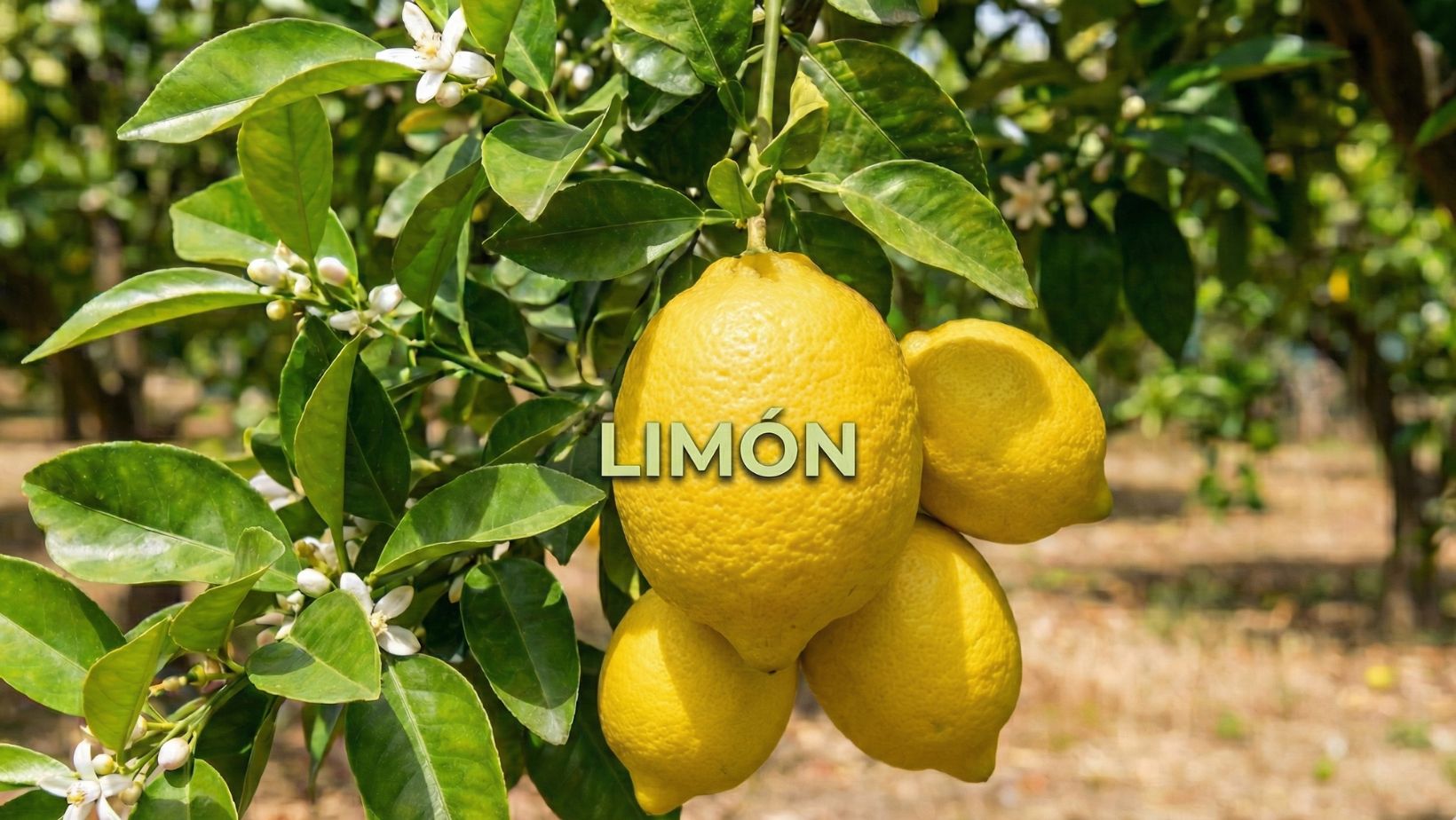
Palo Santo is an excellent fixative that adds mystery to simpler blends. Try combining it with a drop of Lemon or Bergamot. The citrus will elevate the top note, while Palo Santo will support the blend with a creamy and sacred base, creating a home fragrance worthy of a modern temple.
How to Recognize Authentic Palo Santo from Ecuador
The name Palo Santo refers to two different trees. The one from Ecuador and Peru is Bursera graveolens, native to the dry forest of the Pacific, with a fresh profile of citrus, mint and pale wood. The one from the Gran Chaco, in Paraguay and Argentina, is Bulnesia sarmientoi, a denser, smokier wood also sold as guaiacwood, whose international trade is regulated by CITES. Before buying an oil or a stick, the label should state the botanical name and the country of origin.
The second clue is in the scent. Authentic, well-cured wood smells even before it is lit, because its resin matured during years of rest on the forest floor. A stick that only releases scent when burned, or an oil with a flat, sugary profile, usually comes from wood cut green or from a synthetic formulation.
The third is traceability. Responsible harvesting works only with trees that fell from natural causes, and a serious supplier can explain which area the wood comes from and how it was collected.
Questions about Palo Santo from Ecuador
Why does Palo Santo have to fall on its own?
The fragrance forms during the rest. When the wood falls and stays on the forest floor for years, its resin slowly oxidizes and develops its aromatic compounds, while a tree cut green yields wood with almost no scent.
Is burning the wood the same as diffusing the oil?
They share an origin, but the experience changes. A lit stick releases smoke, heat and toasted notes. The essential oil, distilled from the same cured wood, keeps the fresh side of the profile, with a citrus opening and an incense base, and can be diffused without combustion in closed spaces.
The Value of Waiting
In a culture that demands immediacy, using Palo Santo is an act of rebellion. It reminds us that truly valuable things cannot be forced; they have their own maturation times.
Inviting this essence into your space is to surround yourself with a story of resilience. It is the aroma of something that had to wait years on the forest floor to be able to offer you its best version today.