
How to Make Your House Smell Good
There's a recurring pattern in almost every home. When something smells bad, people look for something to cover up the smell. When they want the house to smell good, they buy the strongest smelling item at the store. The result, in both cases, is the same: a space that accumulates scents without building one.
There's a different way to think about the air in your home. It starts with understanding why the usual method fails.
The mistake most people make
The air freshener spray that lasts twenty minutes. The supermarket candle with synthetic vanilla fragrance that saturates the air in ten minutes. The plastic diffuser with generic, incoherently blended oils. None of these products fail to do what they promise. The problem lies in the promise itself: masking instead of designing.
A home that truly smells good has something that homes with many scents usually don't: a single, consistent olfactory identity sustained over time. Achieving this requires editing, calibrating, and choosing judiciously before acquiring any product.
The three factors that prevent a home from smelling good
The materials you burn
Paraffin is a petroleum derivative. When burned in an enclosed space, it releases compounds that the respiratory system detects before the sense of smell perceives them. Supermarket candles are primarily formulated with paraffin, sometimes mixed with fragrances containing phthalates, compounds used as fixatives that do not appear on labels.
Vegetable wax, whether soy or coconut, is a clean canvas. It burns at lower temperatures, lasts longer, and allows the aromatic profile of the essential oil to express itself with greater fidelity. The material that carries the fragrance determines as much as the fragrance itself.
The lack of discernment in scent
A generic fragrance has no origin, no olfactory pyramid, and no traceability. It's formulated to be immediately recognizable and just as quickly forgotten. The olfactory system, after twenty or thirty minutes of constant exposure to a high-intensity synthetic aroma, stops registering it. This is called olfactory fatigue, and it's why many homes with lit candles end up smelling like nothing.
Single-origin essential oils have a molecular complexity that the olfactory system processes differently. High-altitude Lavandula angustifolia has over 150 identifiable compounds. Sri Lankan vetiver, more than that number. This complexity is what makes the aroma evolve, remain interesting after two hours, and not cause fatigue.
Inconsistency
Changing aromas every week according to mood or available offers prevents the space from building olfactory memory. A home's olfactory identity is formed through intentional repetition: the same accord in the same space for weeks. Only then does the limbic system begin to associate that aroma with that place, and the home starts to smell uniquely its own.
The correct method: by zones and by intention
Each space in the home has a distinct function. The entrance welcomes. The living room fosters togetherness. The study demands focus. The bedroom facilitates rest. When the aroma of each zone responds to that function, the home stops having a generic smell and begins to have an olfactory architecture.
This discipline is called olfactory zoning: the art of designing the air of each space with the same intention as designing its light or furniture. The complete guide explains how to build it from scratch, space by space.
Formats that build identity
Choosing the correct format for each space is part of the method. Each has a speed, a persistence, and a way of inhabiting the air.
Artisan candles
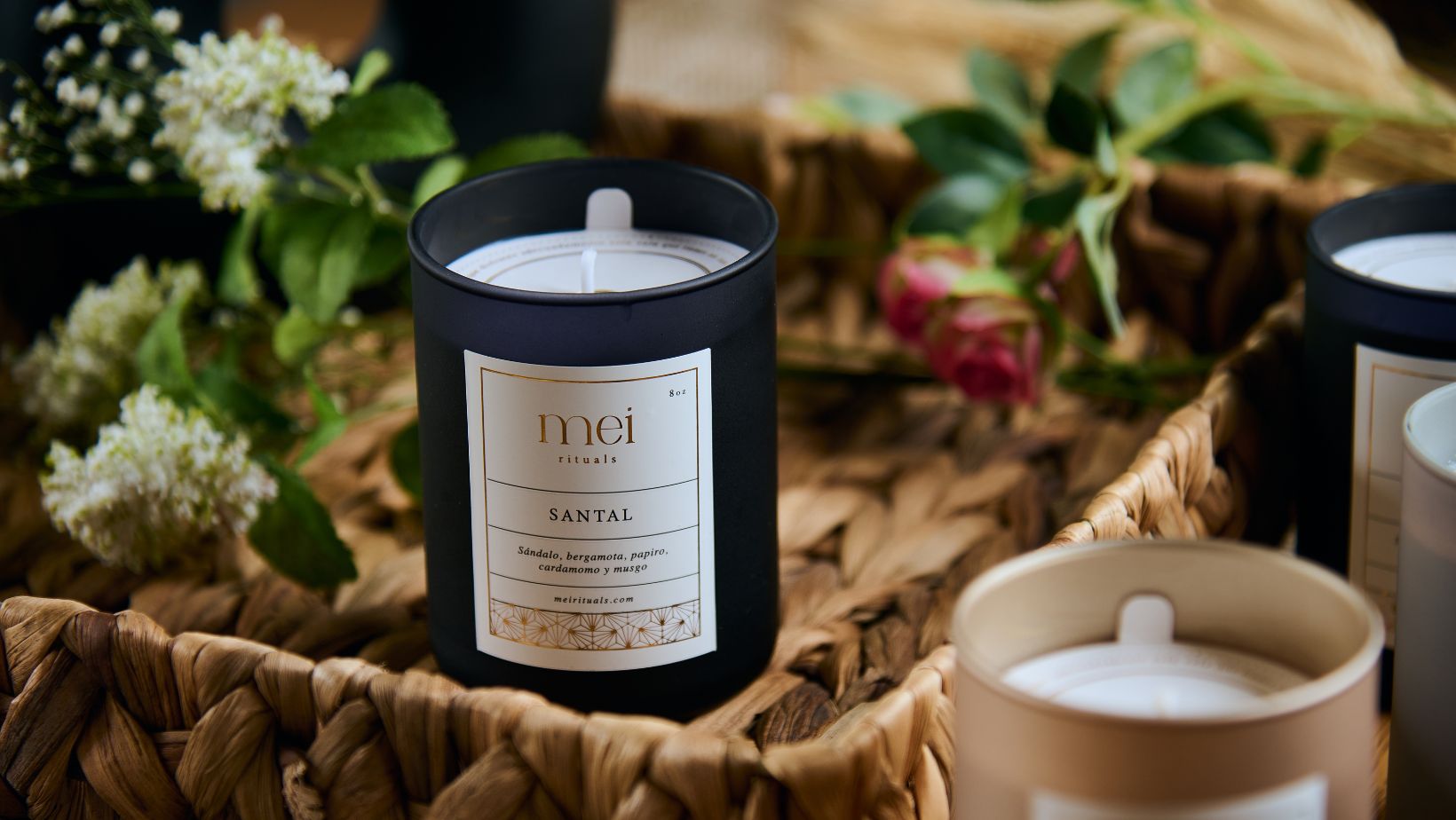
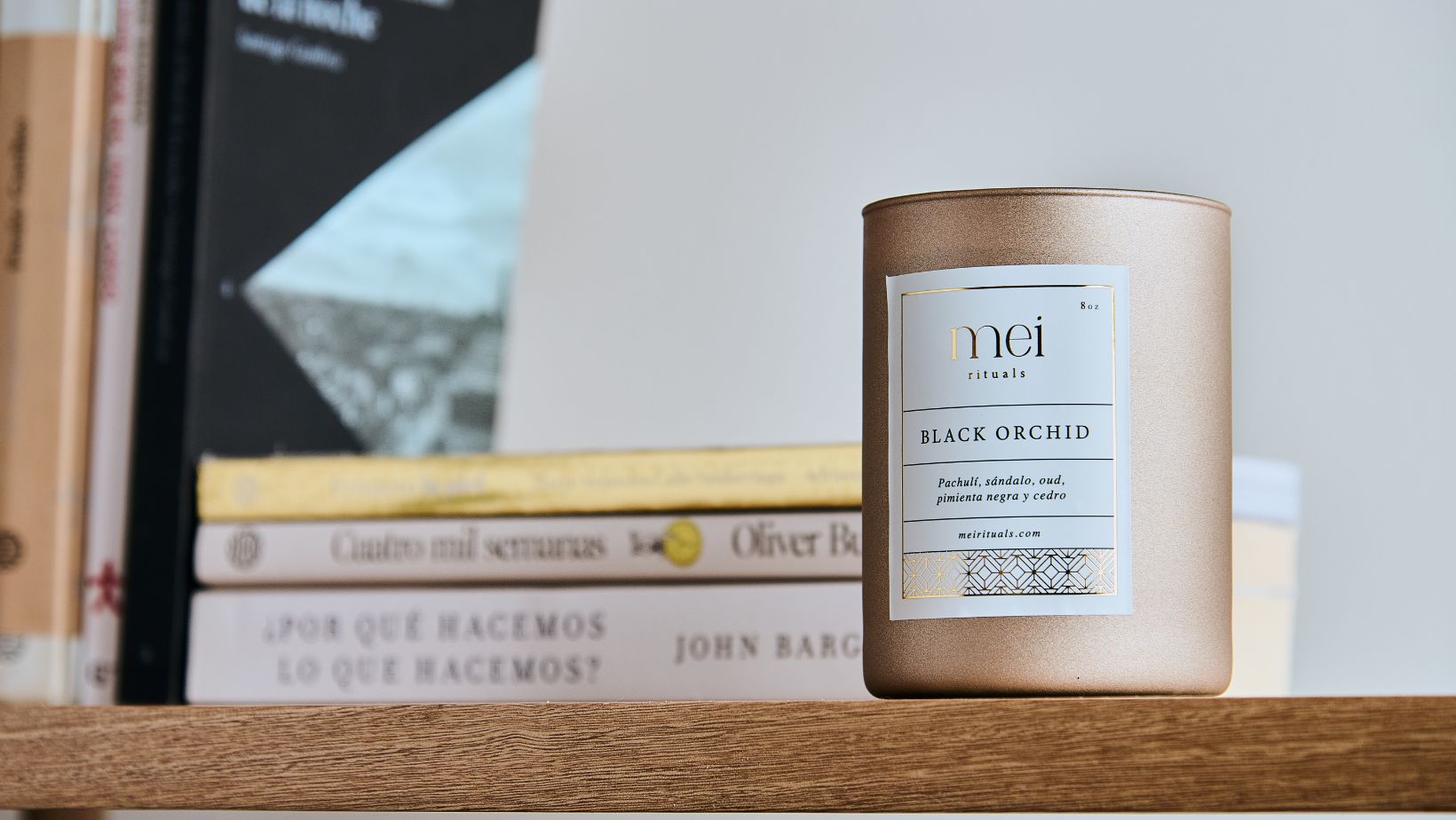
Create an immediate presence. Their flame generates heat that releases the aroma in an enveloping way, ideal for intentional moments: an afternoon of work, dinner, a nightly ritual. A vegetable wax candle with single-origin essential oils builds the aroma of the moment, not the permanent identity of the space.
Reed diffusers
Work over time. Porous reeds absorb the base oil and release it constantly and passively, without intervention. They take 72 hours to reach their optimal intensity and two or three weeks to saturate the fibers of the space. The reed diffuser is the format that builds a room's permanent olfactory signature.
Ultrasonic diffusers with essential oils
Offer precision and control. They allow you to adjust intensity according to the time of day, combine oils according to intention, and stop it when the space is already saturated. It is the most versatile format for the workspace and for those building their olfactory zoning for the first time.
From smell to identity
The homes that are most olfactorily impactful have something in common: they don't try to smell good. They have their own aroma, built with discernment and time, which visitors perceive without being able to precisely name it, but which remains in their memory.
This identity is not bought with a product. It is built by choosing materials well, respecting the function of each space, and allowing enough time for the accord to settle. The first step is to stop looking for the right aroma and start designing the air with intention.
Explore the Artisan Candle Collection →
Vegetable wax candles with single-origin essential oils, formulated to build the olfactory identity of each space.